Notes from a recovering people-pleaser
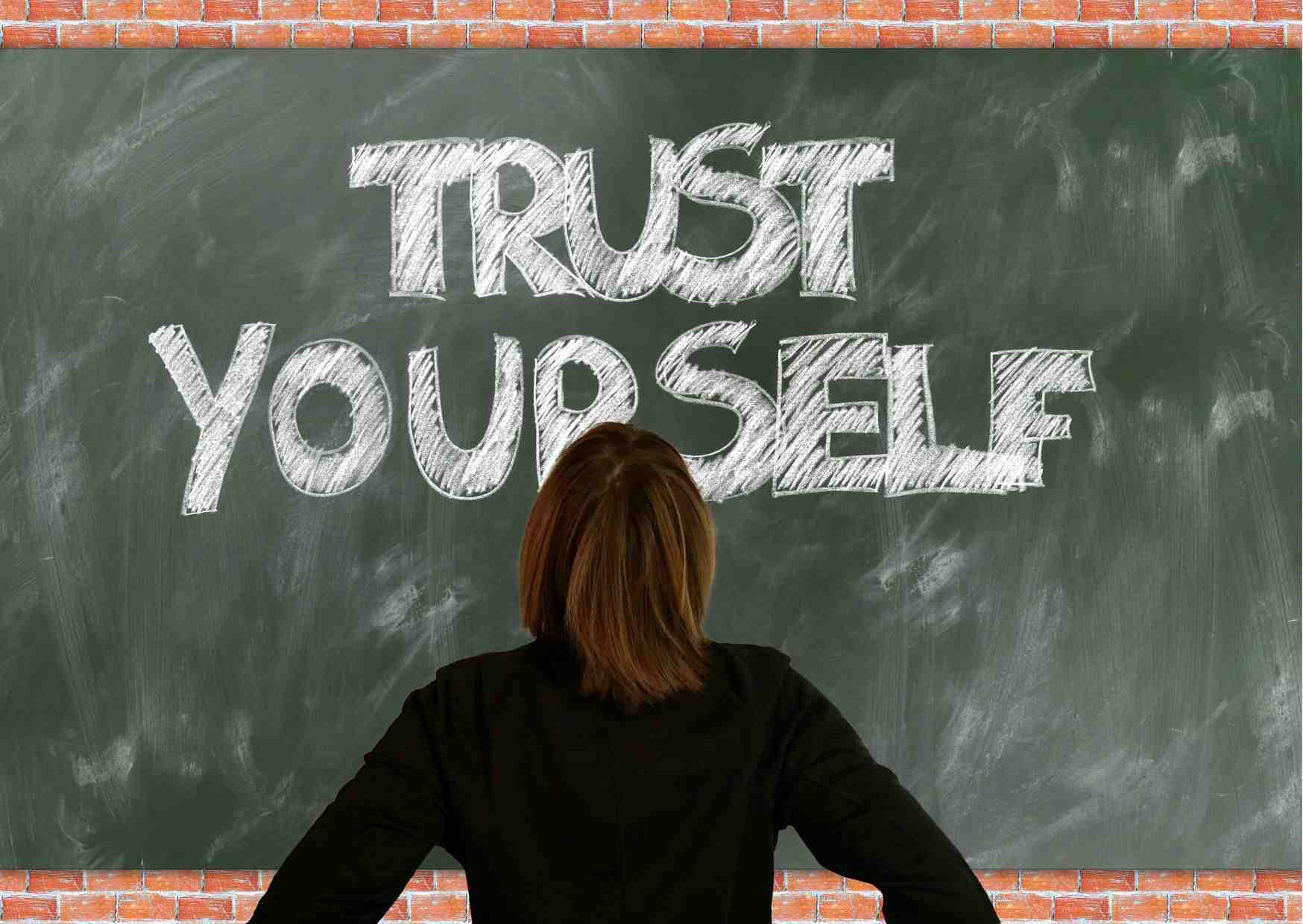
I recently attended an event in London that was so inspiring and left such a lasting impact that I feel compelled to share it with you. The evening brought together businesswomen from all walks of life, united by the simple yet powerful goal of connection.
Conversations flowed and so did the bubbles as we all eagerly waited to hear from the speaker of the evening, Candice Quartermain, a consultant on trust-based culture, who was going to share her wisdom about The Trust Factor.
A topic that sounds so simple yet when you begin to analyse it into different areas such as trusting others, trust within the workplace and trusting yourself, it gets a whole lot more complicated and offers an excellent matter for contemplation.
Kicking off the interactive session with three questions, Candice got us thinking about whether we know someone we trust, someone we don't trust and if we trust ourselves; the show of hands changed with each question.
Personally, this got me really thinking about the third question which sowed a seed to find out more about self-trust in general and whilst typing this offered a real Carrie Bradshaw 'couldn't help but wonder' moment.
What would the world be like if more women had self-trust?
Whilst it's a broad assumption to say that women trust themselves less than men, women naturally face societal pressures which often lead to self-doubt and the feeling of incompetence.
From a very young age, we're expected to put others' feelings above our own and the fear of putting a foot wrong leading to societal judgement of our choices. Thus we are unintentionally taught to doubt ourselves.
I don't know about you, but I've always been doubting myself and couldn't quite put my finger on it. You see, now in my 45th year, I know I'm smart, kind, funny and brilliant at my job above other things. And people tell me so too. Yet, all my life I felt like I didn't fit it to the mold I was expected to fit.
I'm assuming that's the case for a lot of women! Apparently, according to research, as many as 7 in 10 girls believe they're "not good enough" in some way. Whether it's about their appearance, abilities or relationships, this feeling of self-doubt is heartbreakingly common.
This statistic really hit home. I've never actually consciously analysed why I doubt myself until now as i considered it to be just an integral part of me. However, it shouldn't be… and I feel I can gradually silence that inner critic through awareness and knowledge empowerment. I believe discussing things like self-trust during events such as the one I attended and surrounding ourselves with the right tribe can seriously help. My friends and family are extremely supportive and get me through peaks of self-doubt but honestly, it's about time to trust myself more.
As we delved deeper into the question of trust, Candice explained that there are three elements of trust:
- Competency
- Integrity
- Reliability
Let's apply this to trusting ourselves, as we begin with competency. When you are doubting yourself, instead of tuning into that inner critic, assess your skills. You might have a degree, years of experience, accolades, certificates and all sorts of professional stamps in your book of achievements. They mean something. Of course not everyone will feel like this and I'm addressing you if you are one of those women who suffers massively with our old friend, the Imposter Syndrome.
According to the British Medical Association, Imposter Syndrome is:
"a feeling of inadequacy that persists despite evidence of success. This sensation of chronic self-doubt can feel both undermining and isolating with individuals describing sensations of fraudulence, which over a prolonged period can act as a significant contributor to burnout."
Self-doubt is only natural when you care about something like work or a personal goal. But rather than letting it hold us back, what if we allowed it to be a signal, a little nudge to check in with ourselves, regroup and remind ourselves of our wins?
I've actually started writing down small victories in a little notebook which has been a life changer. Honestly, it's surprising how quickly a pattern of competency starts to emerge when you actually take stock.
Competency isn't about knowing everything; it's about being open to learning, asking the right questions and backing yourself in the process.
Then there's integrity. This one can be tricky because it's often about staying true to your values, even if it means taking the harder route. For me, this looks like being honest about what I need, what I can realistically commit to and not over-promising just to please others (recovering people-pleaser over here!).
It's taken time, but I've come to realise that integrity with yourself builds real trust in your own judgment. But it's also about caring, truly caring about what you do and wanting to do it well. When you're driven by care and purpose, not perfection, that's integrity in action, showing up in alignment with who you are and what matters to you. Of course, there are still moments when this approach fails… but I'm better equipped to deal with it now!
And finally, reliability. This one's the real glue, I think. Can you trust yourself to follow through? To be there for yourself in the way you are for everyone else? For me, this meant no longer breaking promises made to myself. Whether that's keeping to ten minutes of quiet before the day begins for mindfulness or consistent exercise routine, going for a walk when I said I would or simply not brushing things under the carpet.
Reliability isn't grand gestures, it's the little consistent ones. When you show up for yourself over and over, your self-trust begins to flourish quietly in the background. And that's a powerful thing.
Self-trust might be one of the most radical acts of self-care we can choose.
So talk about it.
Explore it.
Honour the small steps you take each day and if the imposter creeps back, remember that you're not one.
You're just human, learning to believe in yourself again.
- Hits: 3312