The Power of AND: What Being a Mixed-Race Woman Has Taught Me About Leadership
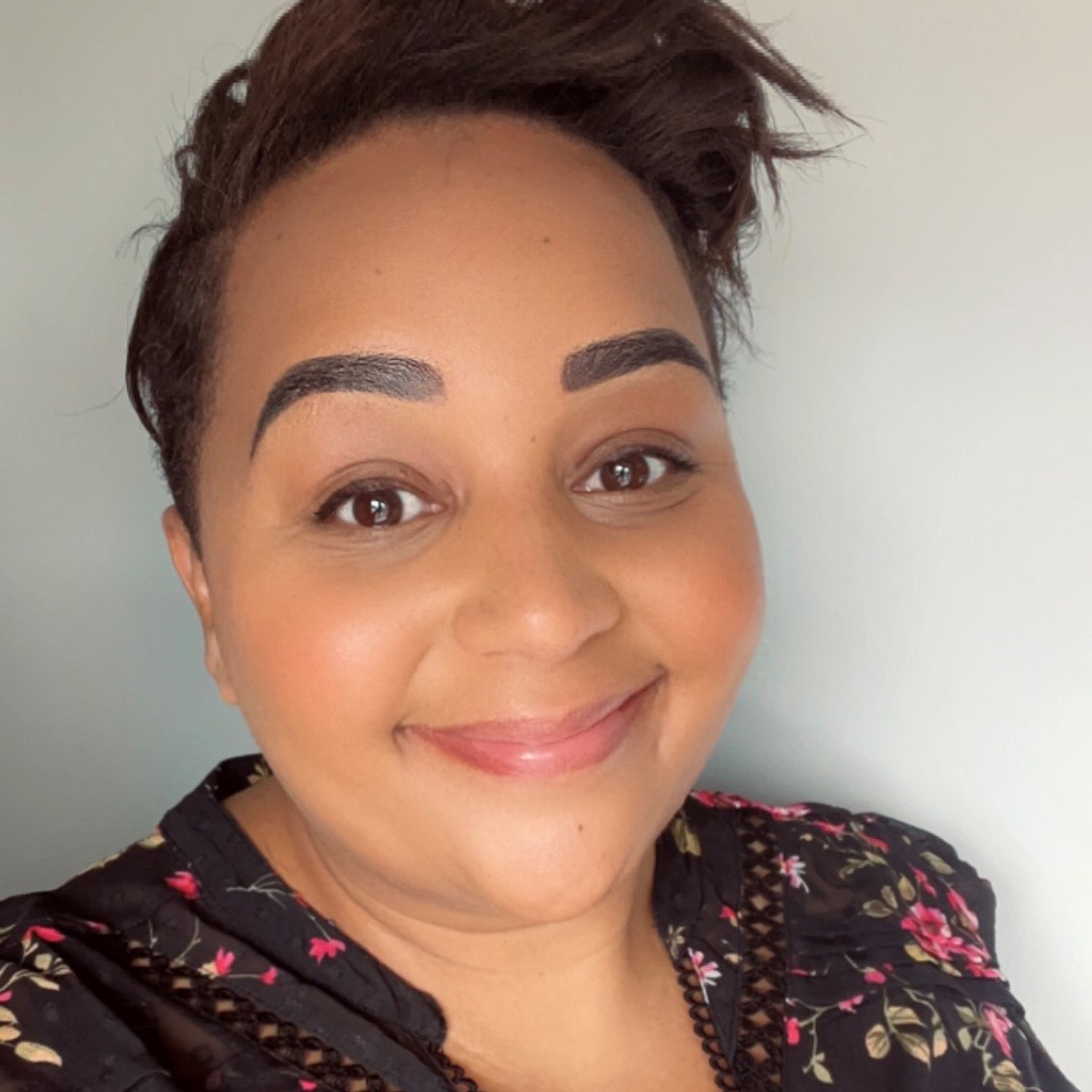
For much of my life, people wanted me to choose. Black or White. Academic or practitioner. Leader or learner. Yet the greatest lesson of my journey has been that leadership is not found in choosing one part of yourself over another. It is found in embracing the power of AND.
As a Mixed-Race woman, I have spent much of my life navigating spaces between worlds. Like many women of mixed heritage, I have often found myself living in the "in-between"; visible, yet not always seen, included, yet not always understood.
Today, I see it as one of my greatest leadership strengths.
That does not mean the barriers have not been real.
Despite progress in diversity, equity and inclusion across higher education, Mixed-Race women and women of colour, remain underrepresented within academia, particularly within senior leadership. There is a contrast between the diversity of the students we serve and the relative lack of diversity within those making strategic decisions.
Throughout my career, I have often been the only person, or one of very few people, who looked like me in leadership spaces. If students are to believe leadership is a place where they can belong and thrive, they need to see themselves reflected not only in our classrooms, but also in our leadership.
As a Mixed-Race woman, I have also experienced the challenge of existing between conversations. Discussions about gender can focus predominantly on the experiences of White women, whilst discussions about race can overlook the distinct experiences of Mixed-Race women. Sometimes it can feel as though you are visible enough to be counted, but not visible enough to be fully understood.
At times, that was isolating.
At times, it fuelled imposter syndrome.
At times, it made me question whether I truly belonged.
Yet it was through these experiences that I began to recognise something important. What I had spent years viewing as a challenge was also becoming one of my greatest strengths.
Today, I genuinely believe being a Mixed-Race woman is one of my leadership superpowers.
Not because the barriers disappeared, but because navigating the intersection of race, gender and class taught me skills that leadership demands every day.
It taught me to navigate complexity, build bridges across difference, listen deeply, challenge assumptions and create spaces where people feel they belong.
I grew up in a working-class community where opportunity was not always visible. Education became my route to possibility. I learned to look for opportunities where others saw limitations and to turn setbacks into growth. Looking back, many of the qualities that shape my leadership today were formed long before I held a leadership title.
My career began in healthcare as an Operating Department Practitioner. Along the way, I was fortunate to work with leaders who invested in me, challenged me and encouraged me to aim higher. They taught me that leadership is not about hierarchy or status. It is about service, integrity and helping others realise their potential.
Yet as I progressed through healthcare and into higher education, I became increasingly aware of who was missing from leadership.
There were very few women.
Even fewer women of colour.
And almost no Mixed-Race women whose experiences reflected the complexity of my own journey.
For many years, I searched for role models who looked like me.
Eventually, I realised that leadership is not always about finding representation.
Sometimes it is about becoming it.
As I progressed from Lecturer to Senior lecturer, Head of Department and later Associate Professor, I felt immense pride but also a sense of responsibility. My visibility mattered, not because of personal achievement, but because representation creates possibility. When people see someone who reflects aspects of their own identity succeed, it expands their understanding of what they can achieve.
Perhaps the greatest lesson being a Mixed-Race woman has taught me is the importance of belonging.
Knowing what it feels like not to belong has made me intentional about creating environments where others do.
Knowing what it feels like to be overlooked has made me more conscious about amplifying voices that might otherwise go unheard.
Knowing what it feels like to question whether you belong has made me committed to ensuring others know that they do.
The leaders who influenced me most were not those with the loudest voices or the most senior titles. They were the people who made others feel seen. They opened doors, created opportunities and believed in people before they fully believed in themselves.
We need mentors.
We need sponsors.
We need allies.
We need communities.
Today, my research explores the educational and leadership experiences of Mixed-Race women because I believe our stories matter. As a newly appointed #WomenEd West Midlands Network Lead, I am equally passionate about creating spaces where women can connect, learn and thrive. Leadership can feel lonely, particularly for women navigating multiple identities. #
Networks such as #WomenEd remind us that we do not have to navigate leadership alone.
The challenges faced by Mixed-Race women are real. The underrepresentation is real. But so too are the strengths these experiences cultivate: resilience, empathy, adaptability, courage and connection.
My multiplicity is not something I need to overcome.
It is my superpower.
That is the power of AND.
So, what might become possible if we stopped asking people to fit into boxes and instead recognised the leadership potential that exists within the fullness of who they are?
Dezita Taylor
#WomenED Network Lead West Midlands
Instagram- @dezitataylor
- Hits: 77